
Make Your IT Systems Cloud-Ready with Indomitable Calibre
The DevOps practices of Infrastructure as Code (IaC) gives enterprises more freedom to embody seamless CI/CD Pipelines with real-time monitoring, code integration, and security tools. Moreover, it also brings the most out of the latest deployment automation possibilities.
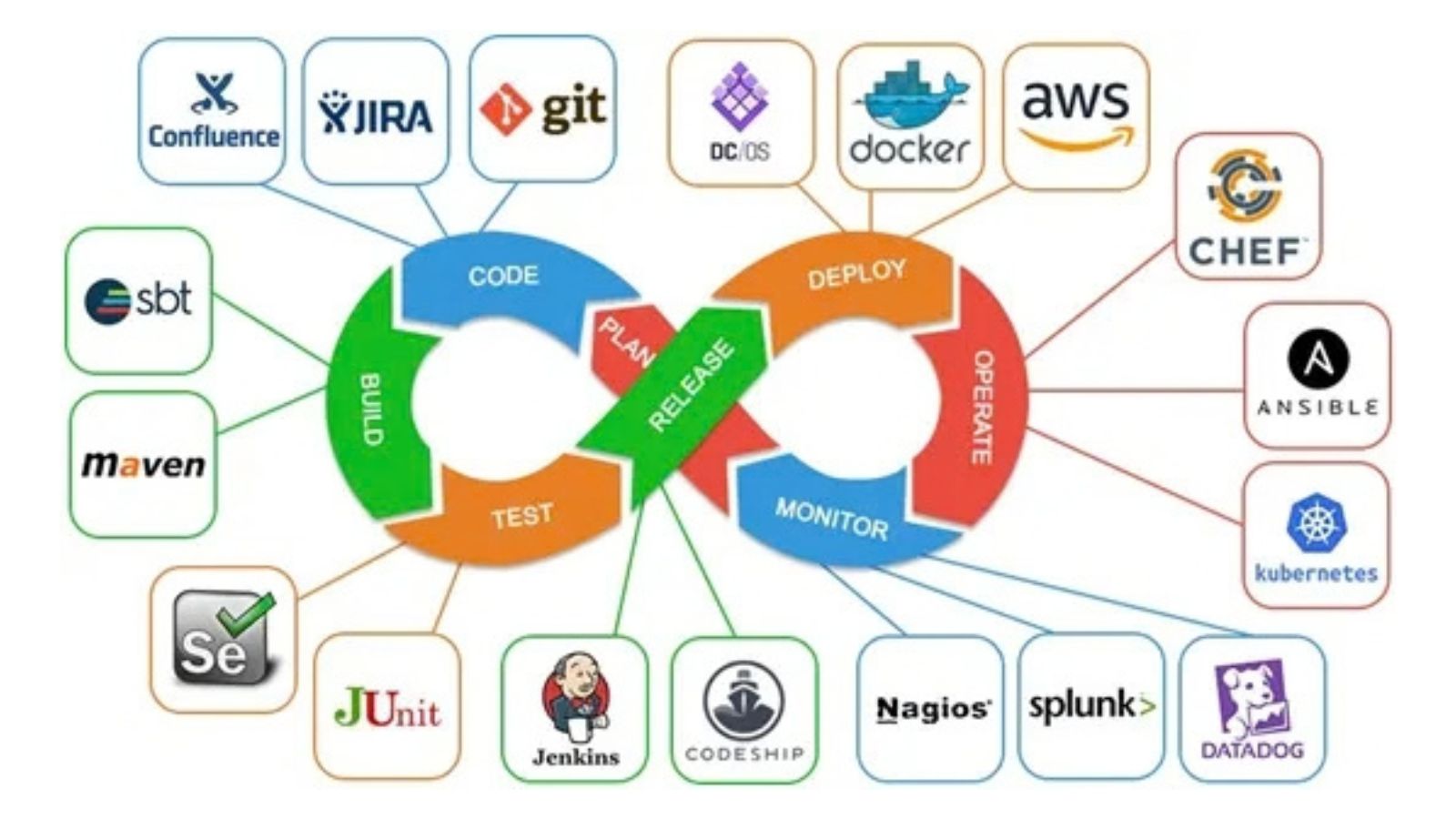
Faster, safer releases — automated end to end.
DevOps engineering that replaces manual, fragile release processes with automated pipelines, infrastructure as code, and production visibility your whole team can trust.
What DevOps services include
- CI/CD pipeline design & implementation
- Infrastructure as Code with Terraform
- Docker & Kubernetes containerization
- Release management & rollback strategies
- Observability, logging & alerting
- SRE practices & reliability engineering
- Security scanning & compliance gates
- Team enablement & DevOps runbooks
DevOps is for engineering teams that want to ship features and fixes faster without gambling on stability. We design the CI/CD pipelines, container platforms, and release automation that turn deployment from a high-risk event into a routine, repeatable process — covering everything from source control merge to production health checks.
The business outcome is measurable: shorter lead times, fewer failed deployments, faster recovery, and engineering time redirected from firefighting to building. Pipelines are owned by your team, documented, and self-service, so you can ship on your own schedule.
Build, ship, and run with confidence
Six capabilities that cover the full DevOps lifecycle — from first commit to production day two.

CI/CD pipeline automation
Every commit builds, tests, and deploys automatically through a repeatable, gated pipeline.
- Build & unit test automation
- Automated staging promotion
- Production deployment gates

Infrastructure as Code
Provision and version your infrastructure with Terraform instead of clicking through consoles.
- Terraform modules & state management
- Drift detection & remediation
- Dev, staging & production parity
Docker & Kubernetes
Package applications once and run them anywhere containers are supported.
- Docker image optimization
- Kubernetes cluster setup
- Autoscaling & resource tuning

Release management
Ship with confidence using progressive rollout, feature flags, and rehearsed rollback.
- Blue-green & canary deployments
- Feature flags & trunk-based flow
- Rollback & hotfix runbooks

Observability & monitoring
See system health in real time with logs, metrics, and traces in one place.
- Centralized log aggregation
- Golden-signal dashboards
- Alerting with actionable runbooks

SRE & reliability engineering
Budget for failure with SLOs and error budgets that keep users happy.
- SLO & error budget design
- Incident response & blameless reviews
- Load & chaos testing
From first commit to production confidence
Discovery & audit
Map your current build, deploy, and operations flow to find bottlenecks, risks, and quick wins.
Toolchain design
Select the right CI/CD, IaC, and observability stack for your team, budget, and compliance needs.
Pipeline build-out
Implement pipelines, infrastructure modules, and container platforms with security gates built in.
Migration & cutover
Move existing workloads onto the new platform with rehearsed rollback and zero-downtime runbooks.
Enablement & handover
Train your engineers, hand over documentation and runbooks, and tune SLOs as workloads grow.
What you get from a DevOps engagement
Measurable operating improvements your team feels from the very first sprint.
Shorter release cycles
Features and fixes reach customers in hours or days instead of weeks.
Fewer failed deployments
Automated gates and tests catch issues before they ever hit production.
Faster recovery
Rehearsed rollbacks and incident runbooks cut mean time to recovery.
Less infrastructure toil
Infrastructure as Code removes manual server work and configuration drift.
Better visibility
Dashboards give leadership and engineers the same clear picture of system health.
Engineering autonomy
Your team can deploy independently and safely, without waiting on approvals.
DevOps questions we hear most
Straight answers before you commit to a transformation.
Do we need to change our existing tech stack?
No. We build pipelines and infrastructure as code around the tools you already use, and only recommend changes where they clearly reduce risk.
How long does a typical DevOps setup take?
A working CI/CD pipeline is usually live within four to six weeks; containerization and SRE maturity follow in defined phases.
Will you take over our existing pipeline?
Yes — we audit, fix, and operate existing pipelines, or replace them where automation is fragile or undocumented.
How do you handle security in the pipeline?
Every pipeline includes static analysis, dependency scanning, container scanning, and secret management as built-in gates.
Explore our services
Dive deeper into the full service catalog.


Ready to transform
your business?
